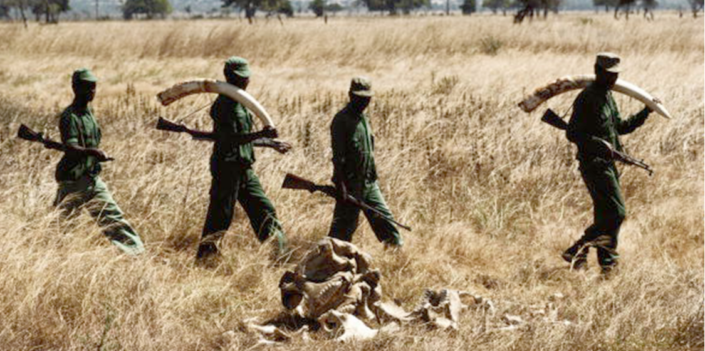
PAL works around the world to end the international trade in ivory and stop the brutal poaching that threatens to wipe out Africa’s iconic elephants and rhinos.
Elephant ivory is mostly smuggled to China where it is fashioned into ornaments and trinkets, while the market for rhino horn is in Viet Nam. Horn shavings are used as a “cure” for anything from a hangover to cancer − even though doctors and scientists have concluded that the users of rhino horn would get the same benefits if they ate their fingernails.
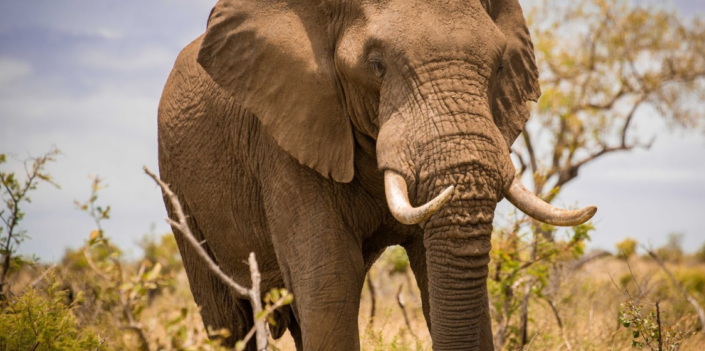
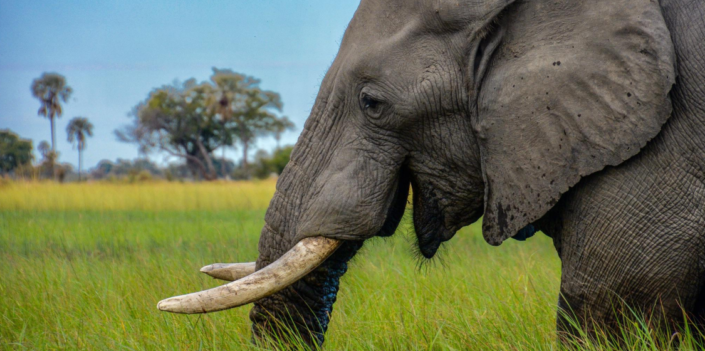
The African elephant, the largest remaining land mammal on the planet, is facing its greatest crisis
Just 80 years ago, an estimated three to five million elephants roamed the plains and forests of Africa; today mass killings are occurring in every part of the elephant’s range as armed poachers and highly organised crime syndicates feed the illegal ivory trade.
The results of the largest ever survey of African elephants published in September 2016, revealed that Africa has about 352,271 elephants left. The aerial survey covered 18 countries and reported that 144,000 elephants were lost to ivory poaching and habitat destruction in less than a decade (2006 to 2015). The yearly loss from poaching is estimated to be 8 percent, or about 27,000 elephants every year.
According to the Convention on International Trade on Endangered Species of Wild Fauna and Flora (CITES), poaching levels continue to pose a threat to the very survival of the African elephant. Simply put, elephants are being killed faster than they can reproduce.
High levels of poaching are facilitated by the wars and conflicts that are playing out in many African countries. An abundance of small arms and a breakdown in law and order ensure prime conditions for the killing of elephants and allow highly-organised criminal syndicates to operate with impunity. This situation is exacerbated by weak governance and corruption at all levels.
Widespread poverty makes it easy for criminals to recruit locals to kill elephants and bribe wildlife rangers.
PAL’s sister organisation, Network for Animals, recently helped to turn the tide on elephant poaching by funding the relocation of an entire family of 27 elephants to a safe and quiet corner of the Addo Elephant Park in South Africa. Meanwhile, PAL continues with its work: lobbying governments around the world to end the international trade in ivory and put a stop to the brutal poaching that threatens to wipe out Africa’s iconic elephants and rhinos.
PAL will continue to lobby governments in Africa, trying to convince them of the urgent need to enforce anti-poaching laws, combat corruption and make wildlife poaching and trafficking a high priority crime.
The horrific international trade in baby elephants
Just as a human baby sucks its thumb, so an elephant calf will often suck the end of its trunk for comfort. Zoologists know that elephants are highly intelligent, self-aware and socially complex animals and yet elephant babies continue to be captured in the wild, ripped from their families and shipped to zoos and safari parks where they lead long, miserable lives. Zimbabwe is the worst offender. It has repeatedly broken international rules by exporting baby elephants to China. Chinese authorities turn a blind eye to blatant breaches of the Convention on International Trade on Endangered Species of Wild Fauna and Flora (CITES) because of corruption, and because of the growing number of zoos in the country.
PAL will continue to lobby governments around the world to put an end to the trade in live baby elephants.
Rhino poaching
South Africa is home to more than 90% of the world’s remaining 20,000 white or square-lipped rhinoceros Ceratotherium simum and (together with its neighbour, Namibia) more than 80% of the black or hooked-lip rhinoceros Diceros bicornis. However, rhino poaching has exploded in South Africa: in only six years (between 2010 and 2016), at least 5,897 rhinos were killed for their horns in national parks, provincial conservation areas and private game ranches. The number of rhino killings has increased every year, in spite of efforts by both the public and private sector to protect the animals.
PAL’s sister organisation, Network for Animals, finances canine anti-poaching units in two South African national parks – the world famous Kruger National Park and the Addo Elephant National Park.